
The Blackbird of Glanmore
On the grass when I arrive, Filling the stillness with life, But ready to scare off At the very first wrong move, In the ivy when I leave, It's you, blackbird, I love. I park, pause, take heed. Breathe. Just breathe and sit And lines I once translated Come back: 'I want away To the house of death, to my father Under the low clay roof.' And I think of one gone to him, A little stillness dancer - Haunter-son, lost brother - Cavorting through the yard, So glad to see me home, My homesick first term over. And think of a neighbour's words Long after the accident; 'Yon bird on the shed roof, Up on the ridge for weeks - I said nothing at the time But I never liked yon bird' The automatic lock Clunks shut, the blackbird's panic Is shortlived, for a second I've a bird's eye view of myself, A shadow on raked gravel In front of my house of life. Hedge-hop, I am absolute For you, your ready talkback, Your each stand-offish comeback, Your picky, nervy goldbeak - On the grass when I arrive, In the ivy when I leave.
The Blackbird of Glanmore - meaning Summary
Bird as Memory Trigger
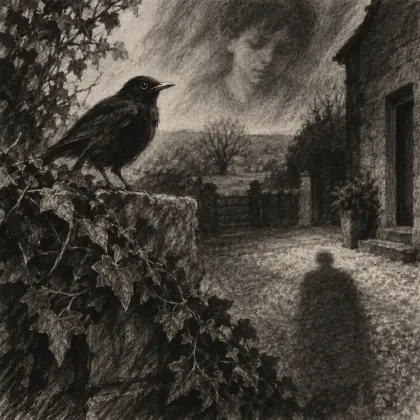
Heaney uses the blackbird at Glanmore as a trigger for memory and self-recognition. The bird appears at his arrival and departure, and its alertness matches the poet’s own pause before entering the house. As he watches it, he thinks of translation, of a dead brother, and of a neighbour’s eerie remark after an accident. The poem turns the bird into a sign of life, loss, and the self seen from outside.
Feel free to be first to leave comment.