
The Sonnets to Orpheus: Book 2: 23
Call to me to the one among your moments that stands against you, ineluctably: intimate as a dog's imploring glance but, again, forever, turned away when you think you've captured it at last. What seems so far from you is most your own. We are already free, and were dismissed where we thought we soon would be at home. Anxious, we keep longing for a foothold- we, at times too young for what is old and too old for what has never been; doing justice only where we praise, because we are the branch, the iron blade, and sweet danger, ripening from within.
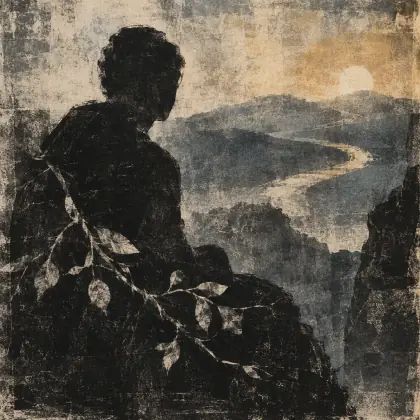
The Sonnets to Orpheus: Book 2: 23 - form Summary
A Sonnet of Tension
This poem is cast as a sonnet that compresses a philosophical argument about belonging and estrangement into a tight, lyrical turn. Rilke uses the sonnet’s concentrated form to shift swiftly between address, paradox, and resolution: a summons to recognize what resists capture, the paradox of freedom within dismissal, and a final assertion of human roles. The compact structure intensifies the tension between inward ripening and outward longing.
Feel free to be first to leave comment.