
The Sonnets to Orpheus: 25.
But you now, dear girl, whom I loved like a flower whose name I didn't know, you who so early were taken away: I will once more call up your image and show it to them, beautiful companion of the unsubduable cry. Dancer whose body filled with your hesitant fate, pausing, as though your young flesh had been cast in bronze; grieving and listening--. Then, from the high dominions, unearthly music fell into your altered heart. Already possessed by shadows, with illness near, your blood flowed darkly; yet, though for a moment suspicious, it burst out into the natural pulses of spring. Again and again interrupted by downfall and darkness, earthly, it gleamed. Till, after a terrible pounding, it entered the inconsolably open door.
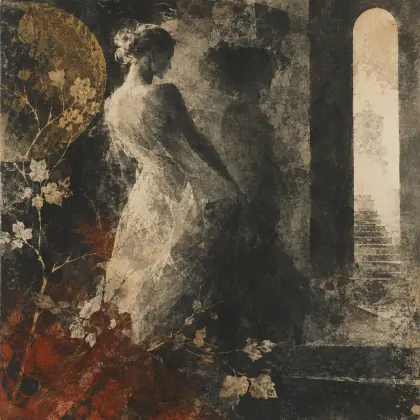
The Sonnets to Orpheus: 25. - context Summary
Written in 1922, Published 1923
This sonnet is one of Rilke’s Sonnets to Orpheus (written 1922, published 1923) and commemorates a young dancer who died prematurely. It summons her image for others, describing a body marked by illness yet momentarily revived by a musiclike life-force. The poem frames loss as both physical decline and an inward transformation, linking grief, art, and a haunting persistence of presence beyond death.
Feel free to be first to leave comment.