
The Wishing-caps
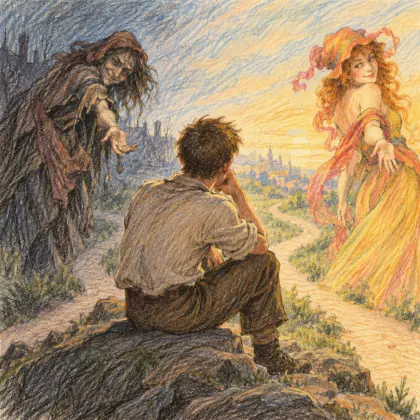
Life's all getting and giving, I've only myself to give. What shall I do for a living? I've only one life to live. End it? I'll not find another. Spend it? But how shall I best? Sure the wise plan is to live like a man And Luck may look after the rest! Largesse! Largesse, Fortune! Give or hold at your will. If I've no care for Fortune, Fortune must follow me still. Bad Luck, she is never a lady But the commonest wench on the street, Shuffling, shabby and shady, Shameless to pass or meet. Walk with her once--it's a weakness! Talk to her twice. It's a crime! Thrust her away when she gives you "good day" And the besom won't board you next time. Largesse! Largesse, Fortune! What is Your Ladyship's mood? If I have no care for Fortune, My Fortune is bound to be good! Good Luck she is never a lady But the cursedest quean alive! Tricksy, wincing and jady, Kittle to lead or drive. Greet her--she's hailing a stranger! Meet her--she's busking to leave. Let her alone for a shrew to the bone, And the hussy comes plucking your sleeve! Largesse! Largesse, Fortune! I'll neither follow nor flee. If I don't run after Fortune, Fortune must run after me!
The Wishing-caps - meaning Summary
Fortune and Human Agency
The speaker confronts life’s limited time and decides to live deliberately rather than chase gain. Kipling personifies Fortune as capricious women—both Bad Luck and Good Luck appear fickle, intrusive, and theatrical. Rather than courting or fleeing these chances, the speaker resolves to be indifferent, arguing that self-possession and refusal to pursue fortune will make it follow him. The poem frames luck as unpredictable and human attitude as the decisive factor.
Feel free to be first to leave comment.